
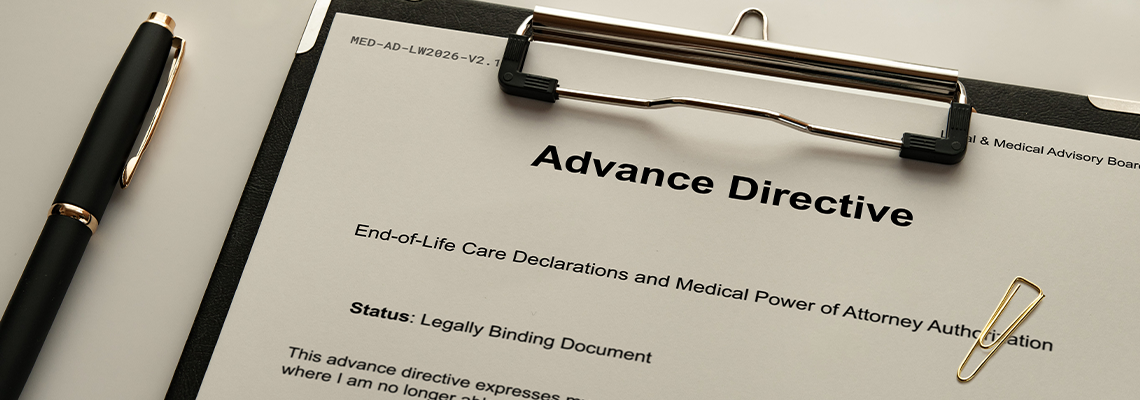
Navigating Medical Decisions in Blended Families: How an AHCD Prevents Hospital Disputes
A medical emergency is stressful enough without your spouse, your adult children, and your stepchildren suddenly disagreeing in a hospital hallway about what happens next. Blended families often carry unspoken tension around exactly these moments, even when everyone genuinely loves the person in that hospital bed.
Nobody wants to think about who gets a say if something happens to them, which is exactly why so few families sit down and actually decide it in advance. If your family includes a spouse, children from a previous relationship, or stepchildren, having a clear Advance Health Care Directive (AHCD) can prevent exactly this kind of hospital dispute before it ever starts.
I'm the attorney at Edington Law Firm, Inc., and I help families put clear medical decision-making authority in writing before a crisis forces the question. Located in Modesto, California, I help clients throughout the Modesto area who want to avoid exactly this kind of conflict. Contact me today so I can walk you through how an AHCD works for your specific family.
What an AHCD Actually Covers
An Advance Health Care Directive lets you name a specific person, called a health care agent, to make medical decisions if you're ever unable to speak for yourself, whether that's temporary or permanent. It also lets you write down your own preferences about treatment in advance, and it can authorize your agent to access your medical records when they need to.
None of this authority kicks in until a doctor determines you can't make decisions on your own, so signing an AHCD doesn't hand over control while you're still capable of speaking for yourself. It simply makes sure someone you actually chose is ready to step in if that ever changes.
The document can be as detailed or as general as you want it to be. Some people write out specific instructions about particular treatments they would or wouldn't want, while others prefer to name an agent they trust completely and let that person use judgment as the actual situation unfolds, since not every medical scenario can be predicted in advance.
Why Blended Families Face a Higher Risk of Conflict
Without a signed AHCD, California law falls back on a default priority list to decide who makes medical decisions on your behalf. In a blended family, that default order can create exactly the kind of hospital dispute you'd want to avoid.
Common flashpoints include:
Spouse versus adult children: A current spouse may have legal priority even when adult children from a prior relationship feel just as entitled to a say.
Stepparents left out entirely: A stepparent who's been present for decades, and who may know your current wishes better than anyone, may have no legal standing at all without a signed directive.
Disagreement among siblings: Adult children from the same family can disagree with each other just as easily as they disagree with a stepparent.
Unclear prior wishes: Family members interpreting old conversations differently, each certain their version is what you would have wanted.
Any one of these situations can turn a medical crisis into a legal one, playing out at the worst possible time, in a hospital hallway, rather than around a table when everyone has time to think clearly. Once that kind of disagreement starts in front of hospital staff, treatment decisions can stall for hours or days while everyone waits for clarity that a signed document could have already provided.
It's worth noting that these disputes rarely come from bad intentions. Most family members genuinely believe they're honoring what you would have wanted, which is exactly what makes the disagreement so hard to resolve once it starts. Nobody involved thinks they're the unreasonable one.
How Naming One Agent Prevents Gridlock
It's tempting to name co-agents, like a spouse and an adult child together, to avoid the appearance of choosing sides. In practice, requiring two people to agree on every decision tends to create delays exactly when a hospital needs an answer quickly, which is exactly the kind of hospital dispute clear planning is meant to prevent.
Naming one primary agent, with backup agents listed in order in case the first isn't available, tends to work far better than trying to balance every relationship equally on paper. It gives medical staff a single, clear point of contact and removes the need for family members to reach consensus in real time during an already difficult moment.
An experienced estate planning lawyer can help you think through who that person should be, especially when the obvious emotional choice and the most practical choice for the role aren't the same person.
It can also help to have an honest conversation with the person you're naming before you finalize anything. An agent who understands your actual wishes, and who feels comfortable enforcing them even if other family members push back, is far more valuable than one chosen simply because skipping them would feel awkward.
Preventing a Hospital Dispute Before Your Family Ever Faces One
A blended family doesn't have to mean a future hospital dispute over who gets to decide what happens to you. The disagreement usually isn't about love or good intentions; it's about nobody having clear legal authority when it counts.
At Edington Law Firm, Inc., I've helped families put exactly this kind of clarity in writing before a crisis forces the issue, so nobody is left guessing at the worst possible moment. Located in Modesto, California, I help clients throughout the Modesto area who want their family protected from exactly this kind of conflict. Contact me so I can help you put an AHCD in place for your family so you can avoid a future hospital dispute.